
Cardiology Care in Victoria Island, Lagos
We help you manage, understand and protect your heart health. From regular examination to advanced care for existing heart problems. Our team examines your heart ailments such as shortness of breath, chest discomfort, run in-house diagnostic testing and develop management strategy around your specific risk factors and daily living.
When to See a Cardiologist.
You don't need cardiac stress to see a cardiologist. Most heart conditions progresses over time before they cause an emergency. Book medical assessments if you notice any of the following:
- Chest discomfort tightness.
- Difficulty breathing during everyday activity.
- Irregular heartbeat, skipped beats, or a racing heartbeat.
- Persistent tiredness or feeling faint.
- Swollen legs, ankles, or feet.
- A family health history of heart disease, stroke.
Why you need to see a Cardiologist.
If you are developing rapid serious chest pain, pain progressing to your arms or jaw, troublebreathing, this may be a heart attack, get immediate emergency care rather than booking a routine appointment.
Our Diagnostic Services
Cardiac Consultation

A full medical examination of your complaints, medical history, family health history and risk indicator, forming the key points for your tailored care.
Electrocardiogram (ECG/EKG)
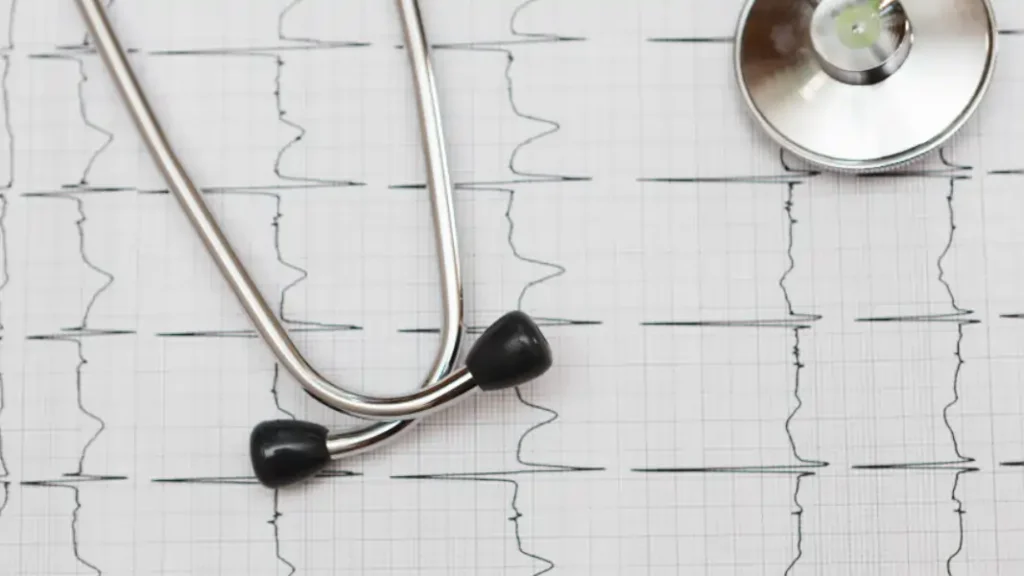
A fast and painless test that records the electrical activities of your heart to detect past heart injury and other abnormalities. Results are available that same day.
Echocardiogram
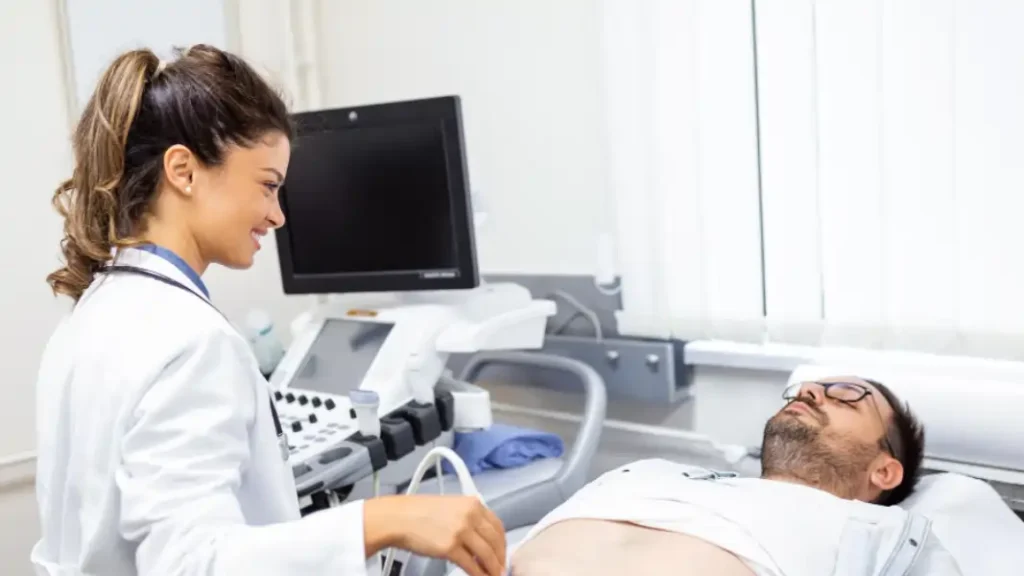
An ultrasound scan that reveals the structure of the heart and how well it is pomping. It is used to check valve function, strenght of heart muscles and spot structural disorders.
Stress Test (Treadmill Test)
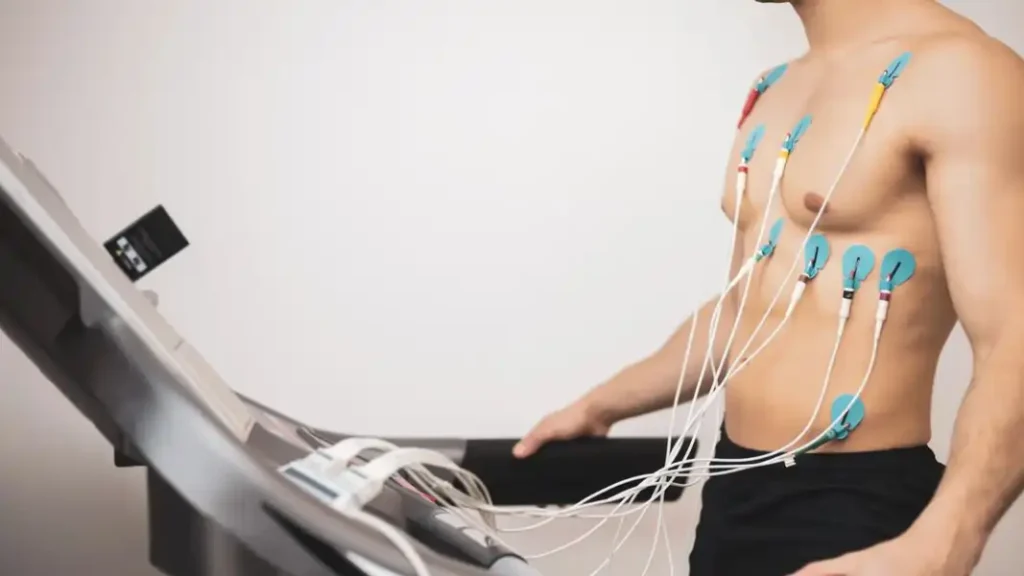
It evaluates how your heart performs under body movement, helping to discover problems may not be visible at rest, such as limited blood flow to the heart.
Blood Pressure Monitoring

Continual or 24-hour observation to get correct picture of your blood pressure changes, beyond clinic blood pressure reading.
Lipid Profile
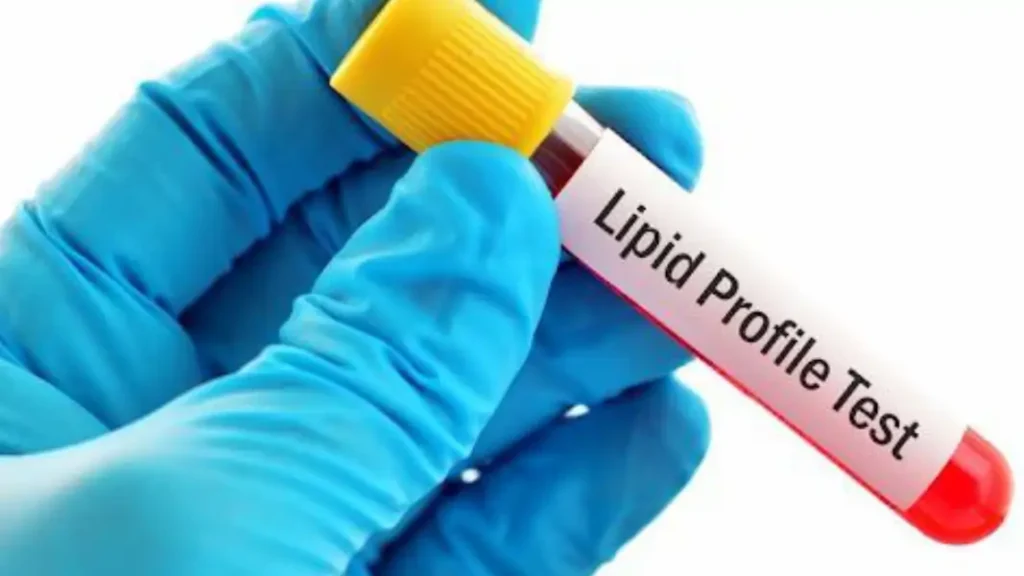
A blood test evaluating cholesterol and connected markers joined with your indicators to determine over all cardiovascular risk and aid prevention.
Our Approach to Treatment
We concentrate on problems early and treating themrepeatedly rather than responding only when warning signs become severe. A typical care pathway looks like:
- we evaluate your health concerns, history, and risk factors
- Tailored testing (ECG, blood work, imaging as needed) to verify what's.
- Medication, changes in daily habits and a monitoring schedule tailored to your condition
- Persistent follow-up care to track progress and adjust your plan
- Referral where needed for cases requiring spercialized intervention
FAQ
Frequently Asked Questions
If you have any other question, please email or call us.
Early signs can be slight shortness of breath during physical activity, occasional irregular heartbeat, unusual fatigue, or chest pain that comes and goes. Because these warning signs are easy to ignore, regular screening is often how heart condition is caught before it becomes severe.
Adults over 40, or anyone with risk indicators like high blood pressure, diabetes, smoking exposure history, or a family health history of heart disease, should have a heart health check at least once every year.
No. An ECG is fast and painless, small sensors are inserted on your chest, arms, and legs to record the electrical activities of your heart while you lie still for a short period.
In initial or minimal cases, lifestyle changes, exercise, weight management, and decreased salt intake can notably lower blood pressure. Many patients gradually need medication as well, especially if lifestyle changes alone are not sufficient to reach a safe range.